
Tires
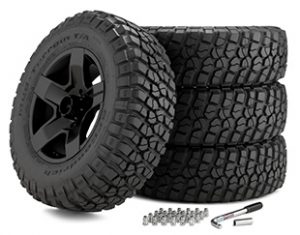 There are many factors that contribute to how your car performs when you drive it. However, few factors have as direct an influence on how your car actually handles the road as your tires. Because of this, it’s definitely in your best interest to have a good understanding of your tires’ capabilities and more importantly, their limitations. Driving too fast or overloading your vehicle can have a negative impact on your tires. That’s where tire service descriptions come in. Service descriptions let you know your tires’ load limit and speed rating.
About Tire Service Description
Tires are built to withstand more abuse than most of the other parts of your car. After all, your tires are the only part of your car that actually comes into contact with the roads you drive on. Therefore, it’s important that you understand them as much as possible. Fitting a vehicle with tires that have a load rating lower than recommended or loading up your car with too much weight can strain your tires, causing them to wear out faster or even potentially have a blowout. By the same token, driving your car too fast can also put more strain on your tires than they can withstand. So just how much weight is too much weight and how fast is too fast? It varies depending on the tires. Your tires’ weight and speed limits are indicated by the tire service description; a short code located on the sidewalls of your tires that. This short code, which consists of a two or three digit number along with a single letter, designates just how much weight your tires are capable of carrying safely and the maximum speed the tires are designed for.Understanding Tire Service Descriptions
The numbers in a tire service description designates the tire’s load index. The number doesn’t indicate the actual weight the tire is capable of supporting. Rather, it’s a code that corresponds with an actual weight. You can decode this number with a load index chart. The higher a specific tire’s load rating is, the greater its capacity for carrying loads. Typical load indexes on passenger cars and light trucks range from 70-110, which as you can see below indicate weight from 739-2337 pounds.| Load Index | Max Weight (lbs) |
|---|---|
| 70 | 739 |
| 71 | 761 |
| 72 | 783 |
| 73 | 805 |
| 74 | 827 |
| 75 | 852 |
| 76 | 882 |
| 77 | 908 |
| 78 | 937 |
| 79 | 963 |
| 80 | 992 |
| 81 | 1019 |
| 82 | 1047 |
| 83 | 1074 |
| 84 | 1102 |
| 85 | 1135 |
| 86 | 1168 |
| 87 | 1201 |
| 88 | 1235 |
| 89 | 1279 |
| 90 | 1323 |
| Load Index | Max Weight (lbs) |
|---|---|
| 91 | 1356 |
| 92 | 1389 |
| 93 | 1433 |
| 94 | 1477 |
| 95 | 1521 |
| 96 | 1565 |
| 97 | 1609 |
| 98 | 1653 |
| 99 | 1709 |
| 100 | 1764 |
| 101 | 1819 |
| 102 | 1874 |
| 103 | 1929 |
| 104 | 1984 |
| 105 | 2039 |
| 106 | 2094 |
| 107 | 2149 |
| 108 | 2205 |
| 109 | 2271 |
| 110 | 2337 |
| Speed Rating | Max Speed (mph) |
|---|---|
| L | 75 |
| M | 81 |
| N | 87 |
| P | 93 |
| Q | 99 |
| R | 106 |
| S | 112 |
| T | 124 |
| H | 130 |
| V | 149 |
| W | 168 |
| Y | 186 |